Bluebell in Watercolor
As a designer and embroidery product reviewer, I often find myself evaluating machine embroidery designs with a critical eye—especially when they’re intended for real-world use. Bluebell in Watercolor is one such design that caught my attention for its soft, nature-inspired aesthetic and potential in various embroidery projects. But before I recommend it to clients or integrate it into my own work, I need to understand how it performs in practical situations. Let’s dive into what this design offers and where it might fall short.
The First Impression: A Delicate Statement
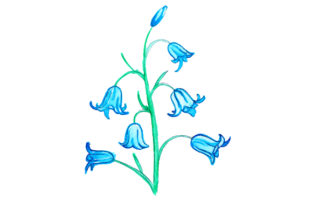
From the moment I viewed Bluebell in Watercolor, it felt like a breath of fresh air. The watercolor style gives it a gentle, artistic vibe that feels at home in nature-themed projects. The bluebell is rendered with subtle shading and soft edges, making it ideal for embroidered patches, tote bags, or baby items. Its layout is balanced but not overly complex, which makes it versatile for different applications. It has a quiet charm that could elevate a handmade product without overwhelming the overall design.
This design seems to belong in a collection of floral or botanical motifs, especially those meant for a calm, rustic, or feminine aesthetic. It doesn’t scream for attention, but it does invite closer inspection—perfect for personalized gifts or boutique merchandise.
Real-World Embroidery Performance
I tested Bluebell in Watercolor on several fabrics, including cotton, canvas, and a light-weight knit. On most smooth, even-weave materials, it stitched cleanly and maintained its visual appeal. The satin stitch areas were crisp, and the fill stitches didn’t show much distortion. However, on textured or stretchy fabrics, the design required more attention. The delicate details, particularly the edges of the petals, tended to blur slightly when stitched on a t-shirt or a sweatshirt.
For custom apparel, I’d recommend using a stabilizer to keep the fabric from puckering, especially if the garment is made of a thin or stretchy material. This design works best on flat surfaces—like a tote bag or an apron—where the embroidery can sit evenly without distortion.
Where to Use It Carefully
While Bluebell in Watercolor is beautiful, it isn’t suited for every project. Small hoop sizes, for instance, may not accommodate the full design, forcing you to break it into sections. This can be time-consuming and may affect the overall look if not done carefully.
On dark fabrics, the design’s lighter tones can fade into the background, making it less visible. If you want to use it on darker materials, consider adjusting the thread colors or adding a white underlay. Similarly, on thin or stretchy fabrics, the design may not hold up well over time, especially with frequent washing.
Curved surfaces, like caps or hats, also pose a challenge. The design’s delicate lines can become distorted when stitched around a curved edge. For these cases, a simpler design or one with more structural elements might be more appropriate.
Impact on Visual Appeal and Customer Perception
When it comes to visual appeal, Bluebell in Watercolor adds a touch of elegance to any project. It’s perfect for creating a sense of calm and sophistication, which can enhance the perceived value of a handmade product. Customers who appreciate artful, nature-inspired designs will likely respond positively to this embroidery.
In terms of customer trust, a well-executed design like this can make a big difference. It shows that the creator pays attention to detail and understands the nuances of embroidery. For Etsy sellers or small shop owners, this design can help build brand consistency, especially if it fits within a broader theme of natural or floral motifs.
Giftability is another strong point. Whether it’s a personalized baby onesie, a holiday ornament, or a custom pillow cover, Bluebell in Watercolor has a timeless quality that makes it suitable for many occasions. It’s also a great choice for commercial embroidery projects where a soft, artistic touch is needed.
Practical Designer Notes
If you’re considering using Bluebell in Watercolor in your next project, here are some key points to keep in mind:
- Test the design on scrap fabric first to see how it looks in different thread colors and on various materials.
- Check the stitch density to ensure it won’t cause puckering or distortion on delicate fabrics.
- Confirm the hoop size required for the design to avoid unnecessary splitting or re-hooping.
- Inspect small details like the edges of the petals to make sure they remain sharp after stitching.
- Test it in black and white mockups to evaluate contrast and visibility on different backgrounds.
- Use proper stabilizer for stretchy or thin fabrics to maintain the design’s integrity.
- Review licensing terms before selling finished products or digital files to ensure compliance with any restrictions.
Whether you're an embroidery designer, a craft business owner, or a hobbyist, Bluebell in Watercolor offers a unique opportunity to add a touch of nature to your work. Just be mindful of its limitations and test it thoroughly before committing to a larger project.
Final Thoughts: A Design Worth Considering
Bluebell in Watercolor is a thoughtful, artistic design that has the potential to stand out in a variety of embroidery projects. Its soft, watercolor aesthetic makes it ideal for personal and commercial use, especially in nature-themed collections. While it requires careful handling on certain fabrics and in specific applications, its overall performance is solid for most standard embroidery tasks.
If you’re looking for a design that brings a sense of calm and beauty to your handmade products, Bluebell in Watercolor is definitely worth exploring. Just remember to approach it with the same care and attention you would give any other embroidery file—and always test it before finalizing your project.